
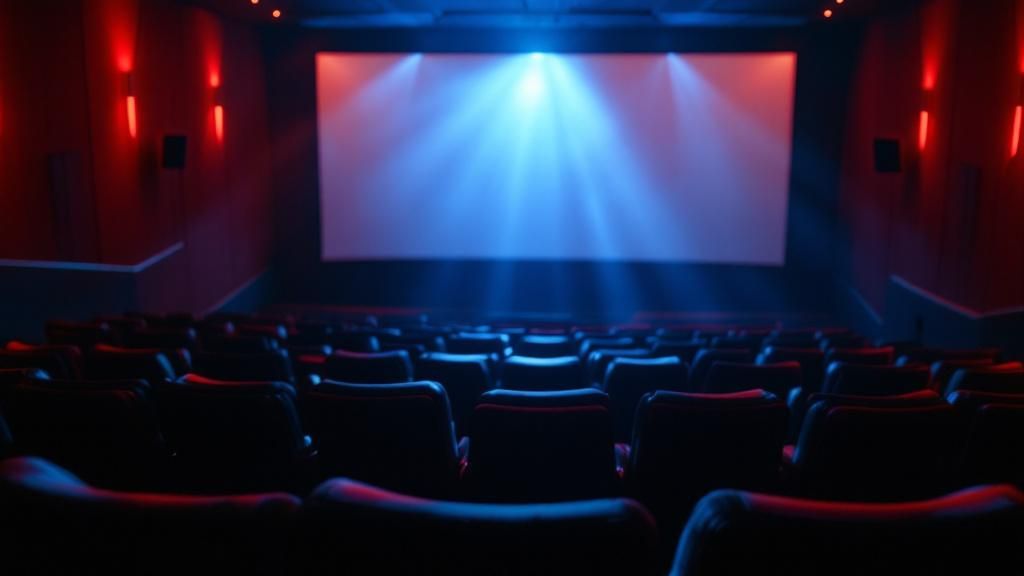
In a period when streaming services multiply and domestic cinema systems develop greater sophistication, cinema attendance might seem destined for decline. Yet contrary to predictions, audiences are coming back to cinemas in impressive numbers. This comeback raises fascinating questions: what attracts audiences back to the big screen? From blockbuster spectacles to personal dramas, this article explores why conventional cinemas remain successful, assessing the special attraction of cinema experiences and how the industry has adjusted to compete with accessible home entertainment options.
The Return of Cinema-Going
Following the difficult pandemic period, cinema attendance has enjoyed a marked recovery across the United Kingdom and beyond. Big-name films have attracted substantial audiences back to theatres, with blockbuster franchises and anticipated releases driving footfall through cinema doors. This revival illustrates that despite the convenience of streaming platforms, audiences continue to value the shared experience of watching films on the big screen. The theatrical experience offers something fundamentally different from home viewing, merging immersive visuals, advanced sound technology, and the shared emotional engagement of watching alongside other film enthusiasts.
Industry analysts ascribe this recovery to several interconnected factors. Firstly, the calibre of cinema technology has advanced significantly, offering visual and audio experiences which cannot be matched at home. Secondly, cinemas have broadened their offerings beyond standard film screenings, incorporating premium experiences such as IMAX, Dolby Cinema, and luxury seating arrangements. Additionally, the theatrical release window remains culturally significant, with audiences eager to experience major films in the way filmmakers intended. This combination of technological innovation and enhanced customer experience has cemented cinemas as vital entertainment destinations rather than things of the past.
Why Spectators Prefer the Theatre Screen
The cinema experience provides something truly irreplaceable that home viewing simply cannot match. The engaging quality of a cinema screen—often several metres high—combined with state-of-the-art surround sound systems creates an comprehensive sensory experience. Audiences are transported into narratives with an power that domestic installations struggle to match, irrespective of spending. This immersive experience proves particularly valuable for action movies, science fiction spectacles, and visually stunning productions where cinematic scale becomes integral to story effectiveness and emotional impact.
Beyond technical requirements, cinemas create a unique communal environment that streaming platforms cannot emulate. The shared viewing experience of viewing films amongst fellow cinema-goers generates mutual emotional reactions, unscripted laughter, and authentic collective participation. This social element converts cinema visits into events rather than mere entertainment consumption. Furthermore, theatrical releases provide respite from domestic distractions—no mobile notifications, domestic disruptions, or urges to pause mid-film. For many audiences, particularly younger demographics, cinema attendance represents a cherished ritual and cultural outing that reinforces cinema’s lasting appeal.
The Social Experience and Social Community
Cinema attendance goes well beyond mere film consumption; it embodies a cherished social ritual that digital platforms cannot replicate. Audiences value the collective ambiance of theatres, where shared emotional responses create lasting impressions. The shared laughter, gasps, and clapping during screenings foster genuine connections amongst strangers. Furthermore, cinemas operate as spaces for cultural assembly, offering opportunities for groups of people to bond over entertainment. This distinctive social element remains a strong attraction, especially among younger audiences who prioritise experiential outings over solitary home viewing.
Beyond entertainment, cinemas bolster neighbourhood communities by functioning as cultural focal points within neighbourhoods. Multiplex and independent cinemas alike stage exclusive events, cinema festivals, and preview screenings that encourage community participation. These establishments provide employment opportunities and strengthen local economies through concessions and ancillary services. The cinema setting builds excitement and occasion, converting film-watching into an event rather than an everyday activity. As people actively pursue genuine social connections post-pandemic, cinemas have positioned themselves as vital neighbourhood spaces where audiences come together whilst sharing collective storytelling moments.
The Future of Film in a Digital Age
The cinema industry stands at a critical juncture, where innovation in technology and consumer preferences intersect and reshape how people consume entertainment. Rather than being overwhelmed by technological disruption, cinemas have shown considerable resilience by investing in innovation. Advanced projection systems, sophisticated audio technology, and luxury seat comfort have elevated the theatrical offering beyond mere film projection. This transformation suggests that the future of cinema lies not in competing against streaming platforms, but in providing offerings that domestic viewing simply cannot replicate, confirming cinemas continue as social gathering venues for generations to come.
Looking ahead, the cinema sector must keep evolving to preserve its relevance in an rapidly digitising landscape. Industry stakeholders are exploring varied funding channels, from premium formats like IMAX and Dolby Cinema to immersive experiences and diverse content options. The renewed interest in cinemas demonstrates that audiences appreciate the shared viewing experience, the advanced projection standards, and the immersive storytelling that theatres provide. As long as filmmakers create compelling narratives and cinemas embrace new technologies, the theatrical experience will persist as an fundamental part of popular culture and entertainment.
